Article: How to Choose the Best for Extreme Cold Weather
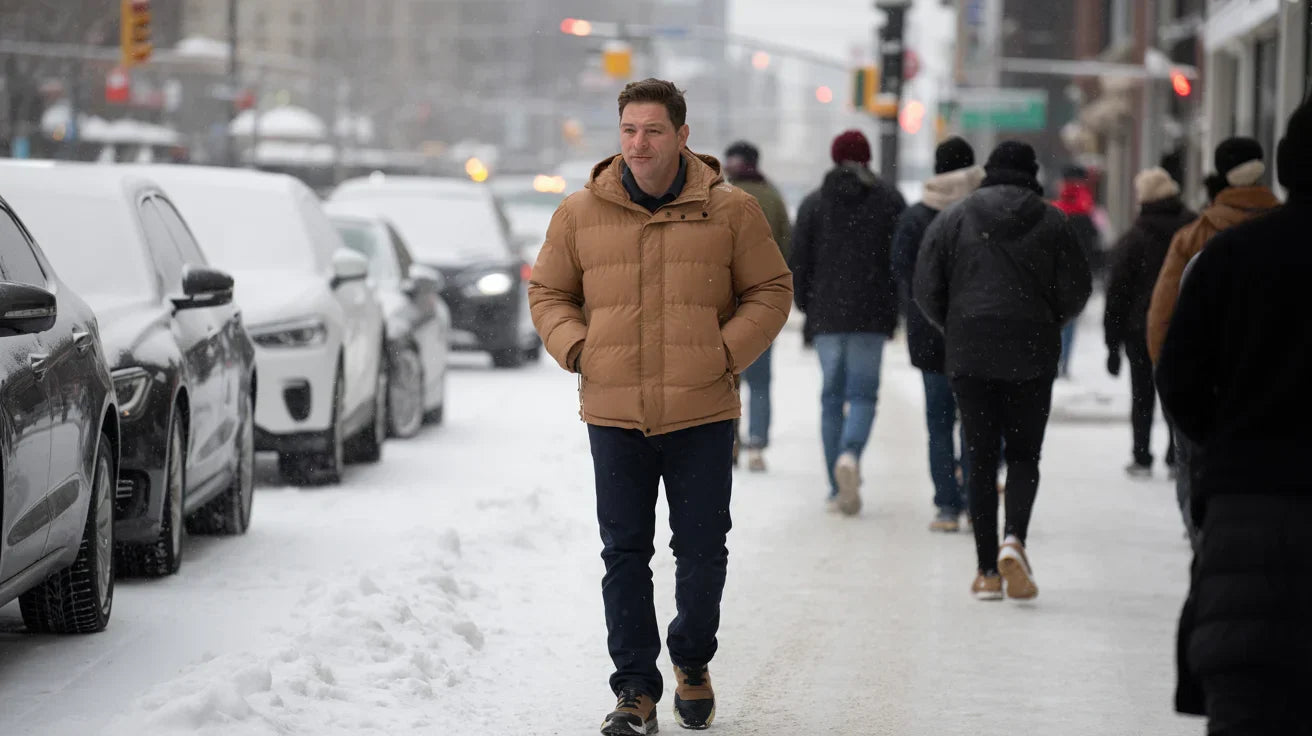
How to Choose the Best for Extreme Cold Weather
When facing biting winter chills, choosing the right Men · Jackets & Coats becomes critical for comfort, warmth, and safety. Extreme cold weather demands specialized insulation, windproof materials, and smart design to keep you protected without compromising mobility or style. In this guide, we’ll break down the essentials of selecting the best mens winter coat for severe conditions—from insulation options and shell fabrics to fit, features, and durability—so you can confidently pick men jackets & coats that will serve you well in the harshest cold snaps.
Understanding Men · Jackets & Coats for Extreme Cold Weather
What Makes a Winter Jacket Suitable for Extreme Cold?
Not all mens coats are built the same, especially when dealing with extreme cold. Superior cold-weather jackets have multiple layers of insulation and a durable outer shell to block wind, snow, and moisture. They often feature longer cuts for better body coverage and specialized hoods to protect your face and neck. Key to their performance is both the type and amount of insulation plus how well the jacket seals in warmth.
Core Components to Look For
- Outer Shell: Windproof and either waterproof or highly water-resistant fabrics such as Gore-Tex or laminated nylon to keep elements out.
- Insulation: High fill-power down or advanced synthetic fibers to trap warmth efficiently.
- Seams and Closures: Fully taped seams, storm flaps over zippers, and adjustable cuffs to prevent cold air penetration.
- Fit & Length: Room for layering without restricting movement and adequate length for lower-body warmth.
Insulation Types in Mens Winter Coat Options
Down Insulation: The Classic Warmth Champion
Down, harvested mostly from geese or ducks, provides exceptional warmth-to-weight ratio. Fill power ratings indicate quality, with 600 to 900 fill power common for cold-weather men jackets & coats. The loft created by trapped air in down feathers insulates brilliantly. However, down loses insulating ability if wet, so water-resistant shells or treated down is vital for damp or snowy environments.
Synthetic Insulation: Durability and Moisture Resistance
Modern synthetic fills like PrimaLoft or Thinsulate retain warmth even when wet and are often more affordable. While heavier and bulkier than down for the same warmth, synthetic insulated mens coats excel in wet climates or active winter pursuits where moisture buildup is likely. Hybrid jackets combining down and synthetic insulation in specific areas offer balanced performance.
Choosing the Right Outer Shell Material
Waterproof vs. Water-Resistant Shells
Winter jackets for extreme cold often feature waterproof membranes or water-resistant coatings. Gore-Tex and similar technologies offer breathable, waterproof protection ideal for wet snow and freezing rain. Water-resistant shells with durable water repellent (DWR) finish shed light moisture but may not withstand prolonged wet conditions. Consider your regional climate when selecting the shell.
Windproofing and Breathability
Extreme cold is often accompanied by harsh winds. A windproof outer shell combined with snug cuffs, adjustable hems, and well-designed collars blocks chilling gusts. Breathability keeps moisture from sweat trapping inside the jacket, preventing dampness and chill during physical activity—a critical balance in durable mens winter coats.
Fit, Length, and Layering Considerations
Ensuring Comfort and Mobility
Men jackets & coats that fit too tight may restrict movement or layering, while overly loose jackets can allow cold air seepage. Aim for a trim fit that allows a base layer and mid-layer underneath. Longer jackets (parkas) provide extra lower-back and thigh coverage, which is essential for standing or moving outdoors in freezing temps.
Layering Strategy
Layering with moisture-wicking base layers and insulating mid-layers helps the jacket perform better. Many winter coats are designed with enough room to accommodate these layers comfortably without bulk, enabling you to adjust warmth per activity and temperature.
Key Features That Improve Winter Coat Performance
Hoods and Face Protection
A well-insulated, adjustable hood with a removable fur or faux-fur trim can protect your face from wind chill. Some coats feature high collars or built-in neck gaiters. These built-in options reduce exposed areas vulnerable to frostbite.
Pockets and Storage
Insulated handwarmer pockets, internal security pockets, and media-compatible compartments add convenience without sacrificing warmth. Water-resistant zippers and storm flaps protect contents and reduce cold drafts.
Comparing Styles of Men Jackets & Coats for Extreme Cold
Parkas: Maximum Coverage and Warmth
Parkas often extend below the hip or thigh, offering comprehensive insulation and wind protection. Ideal for stationary outdoor activities or very cold climates, their large insulated hoods and long hems guard against heat loss.
Puffer Jackets: Lightweight and Insulated
Puffer jackets use quilted sections filled with down or synthetic insulation, balancing warmth and mobility. They compress easily for travel but vary in warmth and shell durability. Best for high-movement activities in cold but less extreme conditions.
The Importance of Seasoned Brand Reputation and Sustainability
Trusted Brands in Men Winter Jackets & Coats
Brands like Canada Goose, The North Face, Patagonia, and Fjallraven have built reputations through quality materials, performance testing, and durability. Investing in trusted mens coats ensures reliable warmth and weather protection.
Sustainable Options and Ethical Considerations
Look for responsibly sourced down certified by RDS (Responsible Down Standard) or recycled materials. Many brands offer synthetic insulation made from recycled fibers and waterproof shells free of harmful chemicals, contributing to greener winter outerwear.
Practical Tips for Maintaining Your Extreme Cold Weather Coat
Cleaning and Care Guidelines
Proper cleaning extends the life of your winter coat. Follow care labels strictly; down jackets often require gentle washing and specific drying to restore loft. Avoid fabric softeners that degrade waterproof membranes.
Storing and Repairing
Store coats in a dry, ventilated area during off-season to prevent mildew and compression of insulation. Promptly repair tears and replace damaged zippers or seams to keep your men jackets & coats performing well season after season.
Where to Shop and Try Men Jackets & Coats
Choosing the Right Retailer
When purchasing, try coats on with the layers you plan to wear underneath. Specialty outdoor retailers provide knowledgeable staff and allow you to test coat features. Online shopping gives access to reviews and wider selection but check return policies carefully.
Considering Budget and Warranty
Extreme cold weather jackets are an investment. Balancing cost and quality means prioritizing essential features and durability. Many brands offer warranties or repair programs, reducing long-term costs and environmental impact.
Summary: Choosing the Best Men · Jackets & Coats for Extreme Cold Weather
Choosing the right Men · Jackets & Coats for extreme cold weather requires understanding insulation types, shell materials, fit, and critical features. Whether you prefer a long parka for ultimate coverage or a lightweight insulated jacket for active days, prioritize quality insulation, windproof and waterproof shells, and adjustable elements like hoods and cuffs to keep cold air out. Considering brand reputations, sustainability, and care practices will further ensure your mens winter coat remains warm and reliable season after season. Explore our expert picks and advice to find the perfect men jackets & coats that will keep you warm, comfortable, and protected no matter how low the mercury drops.